WeSort.AI to recover critical raw materials from Europe's waste stream
More than 10,000 fires occur annually in German waste sorting plants, with around 80% caused by lithium-ion batteries improperly discarded into mixed waste streams, according to a study by the BDE, with annual damage estimated at around €1 billion. The same batteries contain lithium, cobalt, and rare earth elements that Europe cannot yet supply domestically, according to the European Council. Yet in 2023, only 49% of portable batteries sold in the EU were collected for recycling, with disposal into residual waste identified by the EEA as a primary bottleneck.
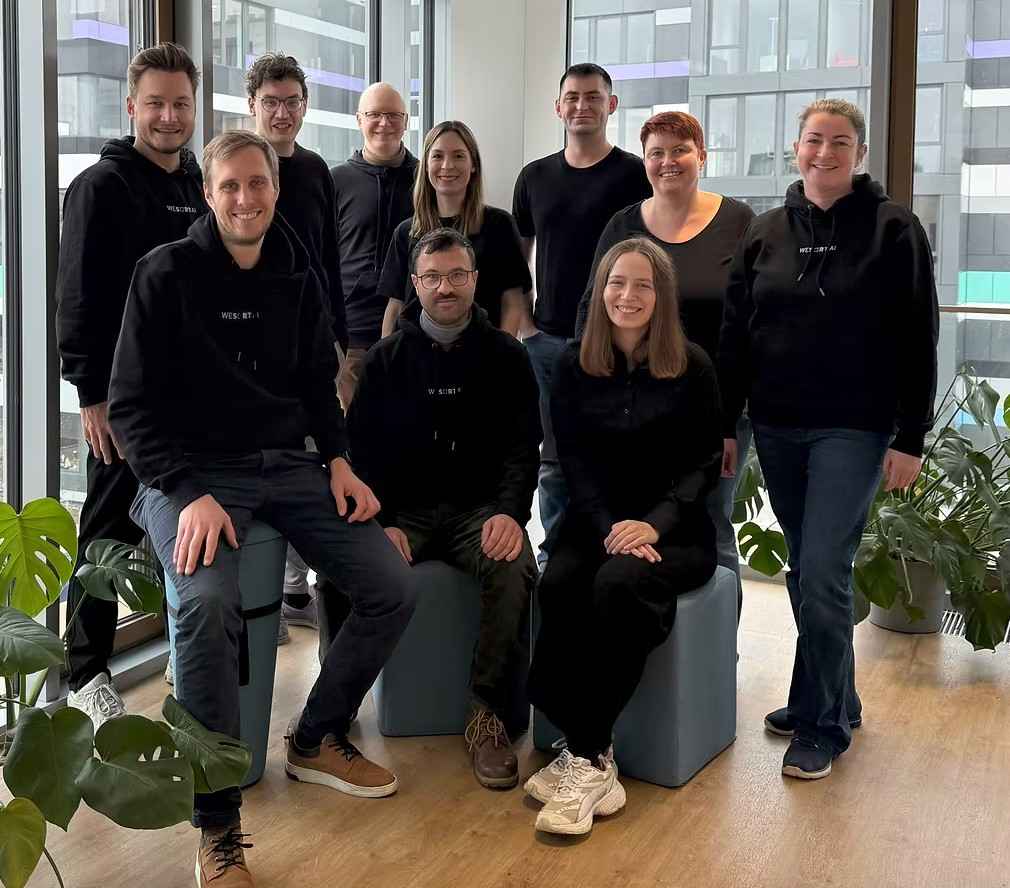
WeSort.AI (Germany, founded 2021) was co-founded by Nathanael Laier and Johannes Laier. The company develops AI-based analysis and sorting systems for recycling plants, designed to detect and extract lithium-ion batteries, e-waste, and other critical raw material-bearing components from mixed waste streams.
The platform combines computer vision, industrial cameras, and X-ray sensors to identify objects and their material composition in real time on conveyor lines. Unlike standard optical sorters, the X-ray layer detects batteries and electronic components concealed inside other objects, including a dedicated "Battery.Sort" function that flags hazardous items before they reach the shredding stage, targeting fire prevention at source.
In March 2026, WeSort.AI raised €10 million from impact investors Infinity Recycling, Green Generation Fund, and Vent.io, alongside SPRIND and other public funding sources via the BayStartUP network. The capital will be used to scale the technology and expand market presence across Europe.
With the Critical Raw Materials Act setting a target of sourcing 25% of strategic raw material consumption from domestic recycling by 2030, and the EU Battery Regulation introducing mandatory recycled content requirements for batteries from 2031, regulatory demand is growing for sorting infrastructure capable of identifying and recovering battery-grade materials from mixed waste streams at scale. That demand is set to increase further: in December 2025, Austria, Germany, and Lithuania formally raised the escalating fire risk at the EU Environment Council, prompting calls for an EU-wide battery deposit system that would substantially expand the volume of batteries entering the recycling stream and the need for systems like WeSort.AI's to process them.
Sources: WeSort.AI | Fraunhofer IIS / BDE | European Council - Critical Raw Materials | Eurostat -battery collection | FEAD
Founders: Nathanael Laier, Johannes Laier